Anti-Inflammatory Diet Workbook – Heal Your Body from the Inside Out
Managing chronic inflammation can feel overwhelming, especially when it impacts your daily life. Whether you're dealing with joint pain, fatigue, or digestive issues, finding a structured way to address the root cause is essential. The Anti-Inflammatory Diet Workbook offers a practical, step-by-step approach to reducing inflammation through diet and lifestyle changes. This 120-page guide is more than just a list of foods to eat—it's a comprehensive tool designed to help you understand inflammation, track symptoms, and build sustainable healthy habits.
If you've ever wondered how your diet affects your health or struggled to stick with a new eating plan, this workbook provides the structure and support you need. It’s perfect for anyone looking to take control of their well-being, whether they’re managing an autoimmune condition, dealing with persistent fatigue, or simply wanting to feel more energized and vibrant.
Understanding Inflammation: Why It Matters
The first section of the Anti-Inflammatory Diet Workbook dives into the basics of inflammation—what it is, why it happens, and how it affects your body. You’ll learn the difference between acute and chronic inflammation, and discover which conditions are linked to long-term inflammation, such as arthritis, irritable bowel syndrome (IBS), and even heart disease.
This knowledge is crucial because many people don’t realize that everyday choices—like what they eat or how they manage stress—can either fuel or reduce inflammation. The workbook includes personal reflection pages where you can jot down your own symptoms and experiences, helping you better understand your body’s unique responses.
Anti-Inflammatory Foods: What to Eat and What to Avoid
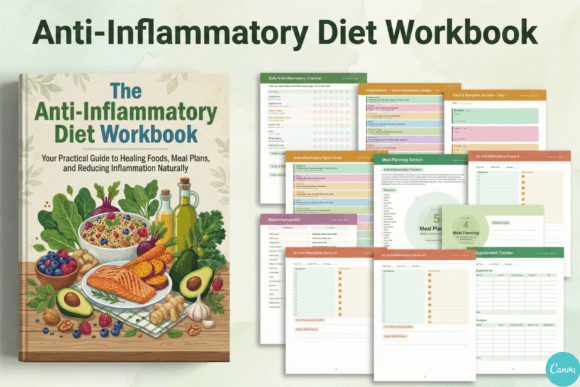
Knowing which foods to eat and which to avoid is key to reducing inflammation. The Anti-Inflammatory Diet Workbook provides clear guidelines with “Eat More” and “Eat Less” lists, making it easy to adjust your meals. You’ll find recommendations for top vegetables, fruits, proteins, and healthy fats that have been shown to combat inflammation.
The spice guide is another standout feature. Spices like turmeric, ginger, and garlic aren’t just flavor boosters—they’re powerful anti-inflammatory agents. The workbook also includes a smart food swaps chart, so you can easily replace inflammatory ingredients in your favorite recipes without sacrificing taste.
For example, if you love pasta but want to cut out refined grains, the workbook suggests using zucchini noodles or cauliflower rice instead. These small swaps can make a big difference over time.
Tracking Symptoms: A Personalized Approach
One of the most valuable aspects of the Anti-Inflammatory Diet Workbook is its symptom tracking tools. With weekly symptom trackers, you can rate your pain, mood, and fatigue levels to see how your diet and lifestyle choices impact your overall health. This helps you identify patterns and make informed decisions about what works best for your body.
The daily food symptom journal is another useful feature. By logging what you eat and how you feel afterward, you can pinpoint specific foods that trigger inflammation or improve your energy levels. Over time, this data becomes a roadmap for creating a personalized anti-inflammatory meal plan.
These tracking tools are especially helpful for people with autoimmune conditions or chronic illnesses. They provide a way to monitor progress and stay motivated, even on days when symptoms flare up.
Meal Planning Made Easy
Eating an anti-inflammatory diet doesn’t have to be complicated. The Anti-Inflammatory Diet Workbook includes eight weekly meal plans that are easy to follow and adaptable to your schedule. Each plan comes with meal prep notes, grocery shopping lists, and daily highlight meal tracking, so you can stay organized and on track.
Whether you're a busy parent, a full-time worker, or a student, these meal plans can be customized to fit your lifestyle. For instance, if you have limited time in the kitchen, the workbook suggests quick, healthy recipes that can be prepared in advance. This makes it easier to stick with the plan, even during hectic weeks.
Many users have found that having a structured meal plan helps them avoid unhealthy convenience foods and stay focused on their health goals. It’s a great resource for anyone who wants to build long-term healthy habits without feeling overwhelmed.
Recipes and Swaps: Practical Ideas for Everyday Living
The Anti-Inflammatory Diet Workbook goes beyond just listing foods—it provides real-life recipes and swap ideas that make it easier to transition to an anti-inflammatory lifestyle. With nine recipe ideas and countless food swap suggestions, you’ll find creative ways to enjoy delicious, healthy meals without sacrificing flavor.
For example, if you love pizza but want to make it healthier, the workbook suggests using whole-grain crust, adding plenty of veggies, and topping with olive oil instead of cheese. These simple changes can significantly reduce inflammation while still satisfying your cravings.
Whether you're cooking for yourself or a family, the workbook’s recipes and swaps offer practical solutions that fit into any kitchen. It’s a great tool for people who want to enjoy their meals while supporting their health.
Who Can Benefit from the Anti-Inflammatory Diet Workbook?
The Anti-Inflammatory Diet Workbook is a versatile resource that can be used by a wide range of individuals. Here are just a few examples of how different people might benefit:
- Entrepreneurs and Busy Professionals: Managing a demanding schedule can leave little time for meal planning. The workbook’s structured meal plans and grocery lists help save time and reduce decision fatigue.
- Parents and Caregivers: Raising a family often means juggling multiple responsibilities. The workbook provides simple, nutritious recipes that can be made in advance and enjoyed by the whole family.
- Students and Freelancers: People with irregular schedules can use the symptom tracking tools to better understand how their diet affects their energy levels and focus.
- People with Chronic Conditions: Individuals managing autoimmune diseases, digestive disorders, or other inflammation-related health issues can use the workbook to track their progress and make informed dietary choices.
No matter your situation, the Anti-Inflammatory Diet Workbook offers a flexible, personalized approach to improving your health. It’s designed to be used at your own pace, so you can start wherever you feel comfortable and build from there.
What to Consider Before Using the Workbook
Before diving into the Anti-Inflammatory Diet Workbook, it’s important to consider a few factors. First, this workbook is not a substitute for medical advice. If you have a serious health condition, it’s always best to consult with a healthcare professional before making significant changes to your diet or lifestyle.
Second, the effectiveness of the workbook depends on your willingness to engage with the content and make consistent changes. While the tools and resources are designed to be user-friendly, success requires commitment and patience.
Finally, keep in mind that everyone’s body is different. What works for one person may not work for another. The symptom tracking features are invaluable for identifying what works best for your individual needs.
Overall, the Anti-Inflammatory Diet Workbook is a powerful tool for anyone looking to reduce inflammation and improve their quality of life. With its structured approach, practical tools, and real-world examples, it’s a valuable resource for building long-term healthy habits and achieving lasting results.