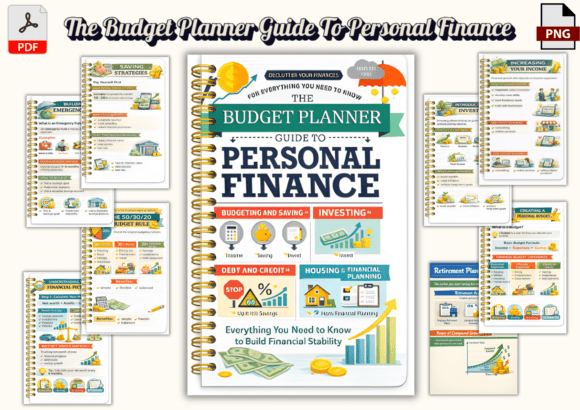
Budget Planner Guide to Personal Finance
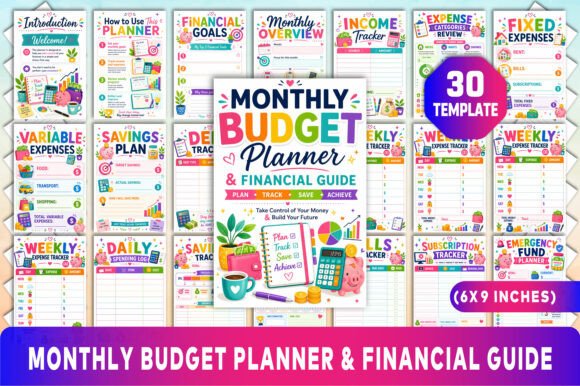
Managing personal finances can feel overwhelming, especially when you're just starting out. The Budget Planner Guide to Personal Finance is a 17-page digital ebook designed to simplify this process with clear, actionable steps and modern infographic-style visuals. Whether you're new to budgeting or looking to refine your financial strategy, this guide offers practical insights that help you take control of your money and build long-term wealth.
This guide is more than just a list of numbers—it's a strategic tool that helps you align your spending, saving, and investing habits with your life goals. It breaks down complex financial concepts into digestible pieces, making it easy for beginners and experienced individuals alike to apply what they learn in real life.
Why the Budget Planner Guide to Personal Finance Matters
The Budget Planner Guide to Personal Finance is strategically useful because it provides a structured approach to managing your money. It helps you understand how income, expenses, savings, and investments interact to create financial stability. This kind of clarity is essential for anyone aiming to achieve specific financial outcomes—whether that’s paying off debt, buying a home, or retiring comfortably.
By using this guide, you can make better decisions about where your money goes. For example, if your goal is to build an emergency fund, the guide walks you through how much you should save each month and how to prioritize those funds over discretionary spending. It also includes proven strategies for reducing debt, improving credit scores, and increasing your net worth over time.
For professionals, entrepreneurs, and small business owners, having a solid understanding of personal finance is crucial. It allows you to make informed choices about your income, expenses, and future growth. Whether you're running a side hustle or managing your full-time salary, this guide equips you with the knowledge needed to plan effectively.
Key Concepts Covered in the Guide
The Budget Planner Guide to Personal Finance covers a wide range of topics that are essential for building a strong financial foundation. Here are some of the key areas explored:
- Budgeting basics: Learn how to track your income and expenses to create a realistic budget that works for your lifestyle.
- The 50/30/20 rule: Understand how to allocate your income between needs, wants, and savings to maintain financial balance.
- Emergency fund building: Discover why having an emergency fund is critical and how to set one up step by step.
- Proven saving strategies: Explore techniques that have been tested and shown to work for people across different income levels.
- Investing fundamentals: Get introduced to the basics of investing, including risk management and long-term growth strategies.
- Debt and credit management: Learn how to handle different types of debt and improve your credit score for better financial opportunities.
- Housing decisions: Compare the pros and cons of renting versus buying to determine what’s best for your situation.
- Long-term planning: Set financial goals for retirement, education, and other major life events with practical steps.
- Financial stability: Develop habits and mindset shifts that support lasting financial health and independence.
Each of these topics is presented in a way that makes it easy to apply immediately. The guide uses visual aids like charts and infographics to reinforce learning, making it ideal for people who prefer a more visual approach to understanding financial concepts.
How to Use the Budget Planner Guide to Personal Finance Strategically
To get the most out of the Budget Planner Guide to Personal Finance, it's important to use it intentionally rather than randomly. Here are some practical steps to consider:
- Set clear financial goals: Before diving into the guide, define what you want to achieve. Are you saving for a vacation? Paying off student loans? Planning for retirement? Having clear goals will help you stay focused and motivated.
- Review your current financial situation: Take stock of your income, expenses, debts, and savings. This will give you a baseline to work from and help you identify areas that need improvement.
- Follow the guide step by step: The guide is structured to take you through a logical progression—from budgeting basics to long-term planning. Allow yourself time to absorb each section and apply the concepts in your daily life.
- Track your progress: Regularly review your budget and financial habits to see how well you're sticking to your plan. Adjust as needed based on changes in your income, expenses, or goals.
- Stay committed: Financial success doesn't happen overnight. Consistency is key. Use the guide as a reference point and revisit it regularly to keep your financial strategy on track.
By following these steps, you can turn the Budget Planner Guide to Personal Finance into a powerful tool for achieving your financial objectives. It’s not just about tracking money—it's about making intentional choices that support your overall life goals.
Possible Risks of Using the Guide Without Clear Goals
While the Budget Planner Guide to Personal Finance is a valuable resource, it's important to recognize that using it without clear goals or context can lead to ineffective results. For instance, if you start budgeting without knowing what you're trying to achieve, you might end up cutting necessary expenses or missing out on opportunities for growth.
Another risk is relying too heavily on the guide without adapting it to your unique circumstances. Everyone's financial situation is different, and what works for one person may not work for another. It's crucial to tailor the advice in the guide to fit your personal needs and preferences.
Additionally, if you don’t follow through with the strategies outlined in the guide, you may not see the desired results. The guide provides the framework, but it's up to you to implement the changes consistently over time.
When to Use the Budget Planner Guide to Personal Finance
The Budget Planner Guide to Personal Finance is particularly useful in several scenarios:
- Starting a new job or career: When you're earning a new income, it's a great time to establish healthy financial habits and set long-term goals.
- Experiencing a major life change: Events like marriage, pregnancy, or moving to a new city can impact your financial situation. The guide can help you adjust your budget and plan accordingly.
- Trying to pay off debt: If you're working on reducing credit card debt or student loans, the guide offers strategies to help you stay on track and avoid falling back into bad spending habits.
- Preparing for retirement: Even if you're young, it's never too early to start planning for retirement. The guide provides insights into long-term financial planning and investment options.
- Wanting to improve your financial literacy: If you're interested in learning more about personal finance, the guide serves as an excellent educational resource that covers all the essentials.
No matter your situation, the Budget Planner Guide to Personal Finance can be a helpful companion in your journey toward financial freedom. It’s designed to be flexible enough to accommodate different lifestyles and goals while providing a solid foundation for sound financial decision-making.
Final Thoughts on the Budget Planner Guide to Personal Finance
In today’s fast-paced world, having a clear understanding of your finances is more important than ever. The Budget Planner Guide to Personal Finance empowers you to take control of your money with confidence and clarity. It’s not just a tool for managing day-to-day expenses—it's a roadmap for building long-term wealth and achieving your financial dreams.
Whether you're a beginner looking to start budgeting or an experienced individual seeking to refine your financial strategy, this guide offers valuable insights that can help you make better decisions. By applying the principles outlined in the guide, you can create a financial plan that supports your goals, improves your quality of life, and sets you on the path to lasting success.