Creative Art Activity Book for Kids: A Guide to Choosing the Right Resource
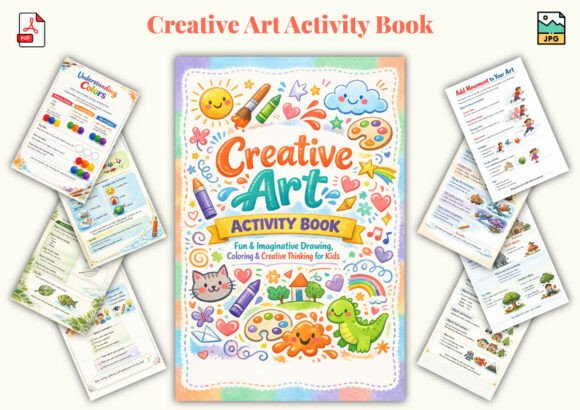
The Creative Art Activity Book is an educational tool designed to engage children in artistic exploration through a variety of structured and imaginative activities. This 31-page workbook combines drawing, coloring, and creative thinking exercises into a single resource that aims to develop both artistic skills and cognitive abilities. With its clean layout and diverse content, it appeals to parents, educators, and young learners looking for a balanced approach to art education.
For those considering the Creative Art Activity Book, understanding its features and potential benefits can help determine whether it aligns with specific learning goals or interests. The book includes a range of activities such as drawing challenges, pattern creation, color mixing, and storytelling prompts, all of which are intended to foster creativity and fine motor development.
Why Consider the Creative Art Activity Book?
One of the primary reasons someone might be interested in the Creative Art Activity Book is its focus on encouraging self-expression and imagination. Each page is designed to offer a unique experience, avoiding repetition and keeping children engaged over time. This makes it particularly appealing for those seeking a resource that maintains a child’s interest without requiring frequent changes or additional materials.
Additionally, the book includes guided practice sections and free drawing spaces, allowing children to transition from structured tasks to more open-ended creative expression. This progression can be beneficial for learners who need support in developing confidence with drawing tools and techniques.
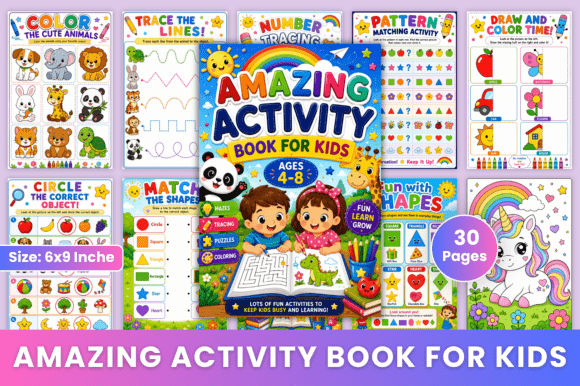
Another factor to consider is the format. Available in JPG and PDF formats, the Creative Art Activity Book offers flexibility for printing at home or using digitally. The 6×9 inch page size is ideal for most standard printers, making it accessible for families or educators who prefer physical copies.
Benefits and Tradeoffs
The Creative Art Activity Book provides several advantages, including its structured yet flexible approach to learning. It supports skill-building through repetitive practice of shapes, shading, and patterns while also offering opportunities for free creativity. These dual aspects can help children improve their technical abilities while also encouraging imaginative thinking.
However, there are tradeoffs to consider. While the book offers a wide variety of activities, it may not cover advanced topics such as perspective drawing, anatomy, or digital art techniques. For children who have already developed foundational skills and are looking for more specialized instruction, this book may serve as a supplement rather than a comprehensive guide.
Another consideration is the level of parental or educator involvement required. Although the book includes reflection and progress pages, it does not provide detailed instructions or teaching guides. This means that adults may need to assist in explaining certain concepts or providing feedback, depending on the child’s age and skill level.
Situations Where This Book Is a Strong Fit
The Creative Art Activity Book is well-suited for children who are just beginning to explore art or who need reinforcement in basic drawing techniques. Its structured approach can be especially helpful for younger learners who benefit from clear guidance and gradual progression.
It is also a good choice for families or educators looking for a low-cost, easy-to-use resource that requires minimal preparation. The ability to print the pages at home makes it convenient for use in various settings, including classrooms, after-school programs, or home-based learning environments.
Furthermore, the book’s emphasis on imagination and storytelling makes it a valuable tool for children who enjoy narrative-based activities. The character creation and storytelling pages encourage children to think critically and creatively, which can enhance their overall learning experience.
When Alternatives May Be Worth Considering
In some cases, alternatives to the Creative Art Activity Book may be more appropriate. For example, children who are highly advanced in art may find the content too basic and require more challenging exercises. In such instances, specialized art books or online courses focusing on advanced techniques could be better options.
Similarly, if a child needs individualized instruction or has specific learning needs, a one-on-one tutoring program or interactive digital art platform might provide a more tailored experience. These alternatives can offer real-time feedback, personalized lessons, and access to a broader range of artistic styles and methods.
Parents or educators who are looking for a resource that includes teaching guides or curriculum-aligned content may also want to explore other options. Some art activity books include lesson plans or teacher notes, which can be useful for integrating the material into a formal educational setting.
Practical Decision-Making Insights
When evaluating whether the Creative Art Activity Book is right for your child or students, consider the following factors:
- Learning Goals: Does the book align with the specific skills you want to develop? If the goal is to build foundational drawing skills and encourage creativity, this book is a strong fit.
- Child’s Age and Skill Level: Is the content appropriate for the child’s developmental stage? The book is designed for younger learners who are just beginning to explore art.
- Accessibility: Can the book be easily accessed and used? The availability in digital and printable formats makes it a convenient option for many users.
- Engagement: Will the child remain interested in the activities over time? The variety of content and lack of repetition are designed to keep children motivated.
Ultimately, the Creative Art Activity Book offers a versatile and engaging way to introduce children to the world of art. Whether used as a standalone resource or as part of a broader learning plan, it can be a valuable addition to any creative learning environment.