ADHD Emotional Self-Discovery Workbook
Understanding and managing emotions can be a complex challenge, especially for individuals with ADHD. The ADHD Emotional Self-Discovery Workbook offers a structured approach to emotional awareness, helping users navigate their feelings with greater clarity and intention. This workbook is more than just a planner—it's a guide to developing emotional intelligence, self-regulation, and mindfulness in daily life.
Whether you're an entrepreneur juggling multiple projects or a creative professional seeking focus, emotional regulation plays a critical role in productivity and well-being. The ADHD Emotional Self-Discovery Workbook provides practical tools that help users recognize emotional patterns, build self-awareness, and create sustainable habits for emotional balance.
Key Features That Support Emotional Growth
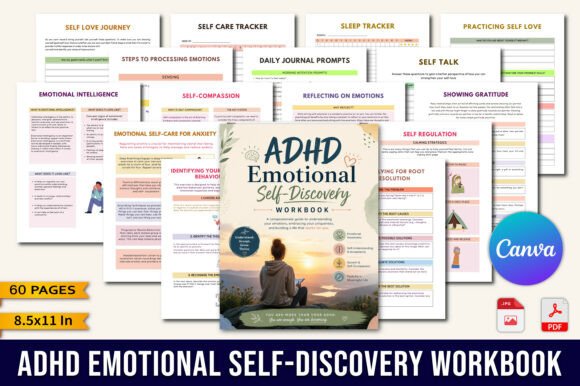
The ADHD Emotional Self-Discovery Workbook includes a variety of features designed to support emotional exploration and self-discovery. These include:
- Emotional Regulation Worksheet: A step-by-step guide to identifying and managing emotional responses.
- Identifying Your Thought-Emotion Behavior Pattern: Helps users understand how their thoughts influence emotions and behaviors.
- Emotional Exploration: Encourages deep reflection on personal emotional experiences and triggers.
- Self-Care Activities for Sadness and Anxiety: Tailored exercises to help manage specific emotional challenges.
- Emotions Wheel and Emotions Bingo: Interactive tools for exploring and categorizing different emotions.
- Daily Journal Prompts and Weekly Reflections: Promote consistent self-reflection and progress tracking.
These elements are carefully curated to provide both structure and flexibility, allowing users to adapt the workbook to their unique needs and goals.
How the Workbook Supports Emotional Intelligence
Emotional intelligence is a vital skill for anyone looking to improve communication, build stronger relationships, and make better decisions. The ADHD Emotional Self-Discovery Workbook helps users develop the four components of emotional intelligence: self-awareness, self-regulation, motivation, and empathy.
For example, the SIGNS OF LOW EMOTIONAL INTELLIGENCE section helps users identify areas where they may struggle with emotional regulation, while the Steps To Processing Emotions guide supports healthier ways to handle difficult feelings. By building these skills, users can improve their ability to respond thoughtfully rather than react impulsively.
Professionals, educators, and entrepreneurs often find that emotional intelligence enhances their leadership abilities, teamwork, and decision-making. The Positive Communication Skills and Show Gratitude sections offer actionable strategies for fostering more meaningful interactions and reducing conflict.
Practical Benefits for Daily Life
One of the most valuable aspects of the ADHD Emotional Self-Discovery Workbook is its focus on real-world application. Users can apply the lessons learned directly to their daily routines, whether it's managing stress at work, improving relationships, or finding balance between personal and professional responsibilities.
The Life Balance Wheel and Self Care Tracker help users visualize their current state of well-being and set achievable goals for improvement. These tools are especially useful for individuals who feel overwhelmed by competing demands and need a clear roadmap for prioritization.
Additionally, the Self Love Journey and Self Love Letter exercises encourage users to cultivate self-compassion, which is essential for long-term emotional health. By learning to treat themselves with kindness, users can reduce self-criticism and build resilience in the face of challenges.
Who Can Benefit from This Workbook?
The ADHD Emotional Self-Discovery Workbook is ideal for adults aged 20–50 who want to improve their emotional awareness and regulation. It’s particularly helpful for professionals, creators, and entrepreneurs who need to maintain focus, manage stress, and communicate effectively.
Freelancers and small business owners, for instance, may benefit from the Self-Esteem Journal and My Desires sections, which help them align their actions with their values and aspirations. Educators and coaches can use the Check In Before Responding prompts to model mindful communication in the classroom or during client sessions.
While the workbook is tailored for individuals with ADHD, many of its benefits extend to anyone interested in emotional growth. However, it's important to consider individual needs and preferences when choosing resources for emotional development.
Limitations and Considerations
Like any tool, the ADHD Emotional Self-Discovery Workbook has its limitations. It is not a substitute for professional therapy or medical advice. While it can support emotional regulation and self-awareness, users should seek additional guidance if they experience severe emotional distress or mental health challenges.
Additionally, the effectiveness of the workbook depends on consistent use and commitment to the process. It may take time to see results, and users should be patient as they develop new habits and coping strategies.
For those who prefer digital formats or interactive tools, there may be alternative options available. However, the ADHD Emotional Self-Discovery Workbook offers a tangible, hands-on approach that many find beneficial for deep reflection and personal growth.
Getting Started with Emotional Self-Discovery
If you're ready to explore your emotions and build healthier habits, the ADHD Emotional Self-Discovery Workbook can be a powerful ally. Begin by setting aside dedicated time each day for journaling, reflection, and self-care. Use the Daily Journal Prompts to track your progress and celebrate small victories along the way.
Remember, emotional self-discovery is a journey—one that requires patience, practice, and self-compassion. With the right tools and mindset, you can develop the emotional intelligence needed to thrive in both personal and professional settings.